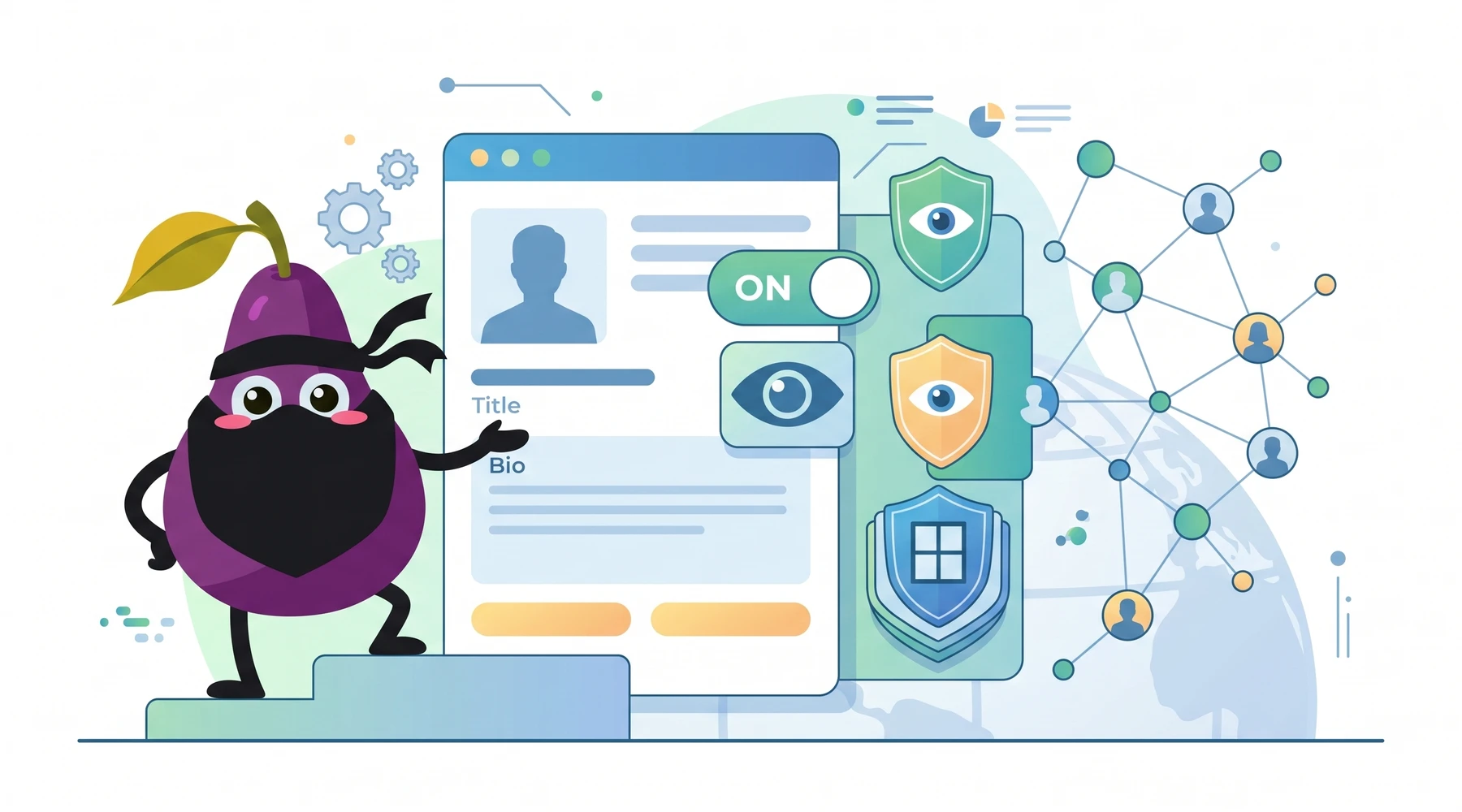
Your LinkedIn public profile is the version of your profile that is shown to people browsing your profile without being logged into LinkedIn. If you are on LinkedIn, chances are that you do have a LinkedIn public profile. By default, all LinkedIn accounts have public profiles generated for them automatically. However, your public profile is not the same as the one you see of yourself while being logged into LinkedIn.
What most LinkedIn users do not know is that you can fine-tune what you want to show on your public profile, or hide it completely.
How to change the visibility of your public profile?

Toggle your profile visibility on or off.
To hide your LinkedIn public profile completely
- Log into LinkedIn, I recommend you use Incognito mode or private browsing to do so.
- Go to https://www.linkedin.com/public-profile/settings
- Turn the toggle off for
Your profile's public visibility
To create a LinkedIn public profile and have it visible
- Log into LinkedIn
- Go to https://www.linkedin.com/public-profile/settings
- Turn the toggle on for
Your profile's public visibility
Micromanaging visibility of different sections in your profile
- Log into LinkedIn
- Go to https://www.linkedin.com/public-profile/settings
- On the right side, there are different toggles for visibility of
- Headlines
- Websites
- Summary
- Articles & Activity
- Current Experience & Details
- Education & Details
- Volunteer Experiences
- Certifications
- Publications
- Patents
- Courses
- Projects
- Honors and Awards
- Test Scores
- Languages
- Organisations
- Groups
LinkedIn private profiles vs LinkedIn public profiles
Comparing a fully visible public profile and a private profile, the core differences are:
- Skills are not shown on LinkedIn public profiles.
- Likes and comments on a user's activities are also hidden on a public profile.
I expand on the differences in a separate post here.
Why do public profiles exist?
I do not work for LinkedIn, but it is very obvious to me that most searches for people happen on search engines instead of LinkedIn. Public profiles exist so search engines would index information about people and channel search traffic to LinkedIn.
For example, I would be curious about a certain startup founder, and more often than not, I would search for "CEO of Acme Corp" instead of searching for the same thing on LinkedIn, simply because it is easier.
I know for a fact that LinkedIn has whitelisted the IP addresses of a certain search engine optimization startup to give them unfettered access to crawl up to 50M public profiles a day. They do this because it is important to LinkedIn to be listed by major search engines.
Search engine optimization matters to LinkedIn, and that is why your public profile exists by default with full visibility. And the information you have shared on LinkedIn is then used to channel search traffic back to LinkedIn.
I believe you should keep your LinkedIn profile public
Your LinkedIn account should be your professional resume. It is your subtle flex about who you are as a professional. It is my opinion that you should keep your private life private, and your professional life public. I do recommend that you keep your LinkedIn profile public.
It is good for your career. Let me explain why:
- A lot of recruitment and headhunting firms, particularly modern ones such as Hiretual, use public profile data at scale to assist headhunters with sourcing. You are on their list if you keep your LinkedIn profile public. Conversely, if you turn your profile private, you will limit your availability to recruiters who are partners with LinkedIn.
- Your professional resume can be found on Google. Say you are a software engineer with Google. If someone Googles "Ben engineer Google", and assuming your name is Ben, you will be found immediately. This is great because now you can be easily found. Conversely, if you do not want to be easily found, then turn your profile private.
LinkedIn public profiles are not truly public
But here's the thing, LinkedIn public profiles are a lie.
Don't believe me? Search for my profile on LinkedIn by typing "LinkedIn steven goh ceo nubela" without being logged into LinkedIn. Click into it. Now do the same for a few more profiles, and soon you will be blocked from browsing and LinkedIn will demand that you register an account before you can view more.
You are not the target market for LinkedIn public profiles. LinkedIn public profiles exist for search engines and other big corps like Twitter or Apple.
LinkedIn has invested significant development resources to prevent large-scale automation in scraping public profiles. They have also sued, or bullied, many tech startups who have tried the same. Thankfully they lost the legal fight.
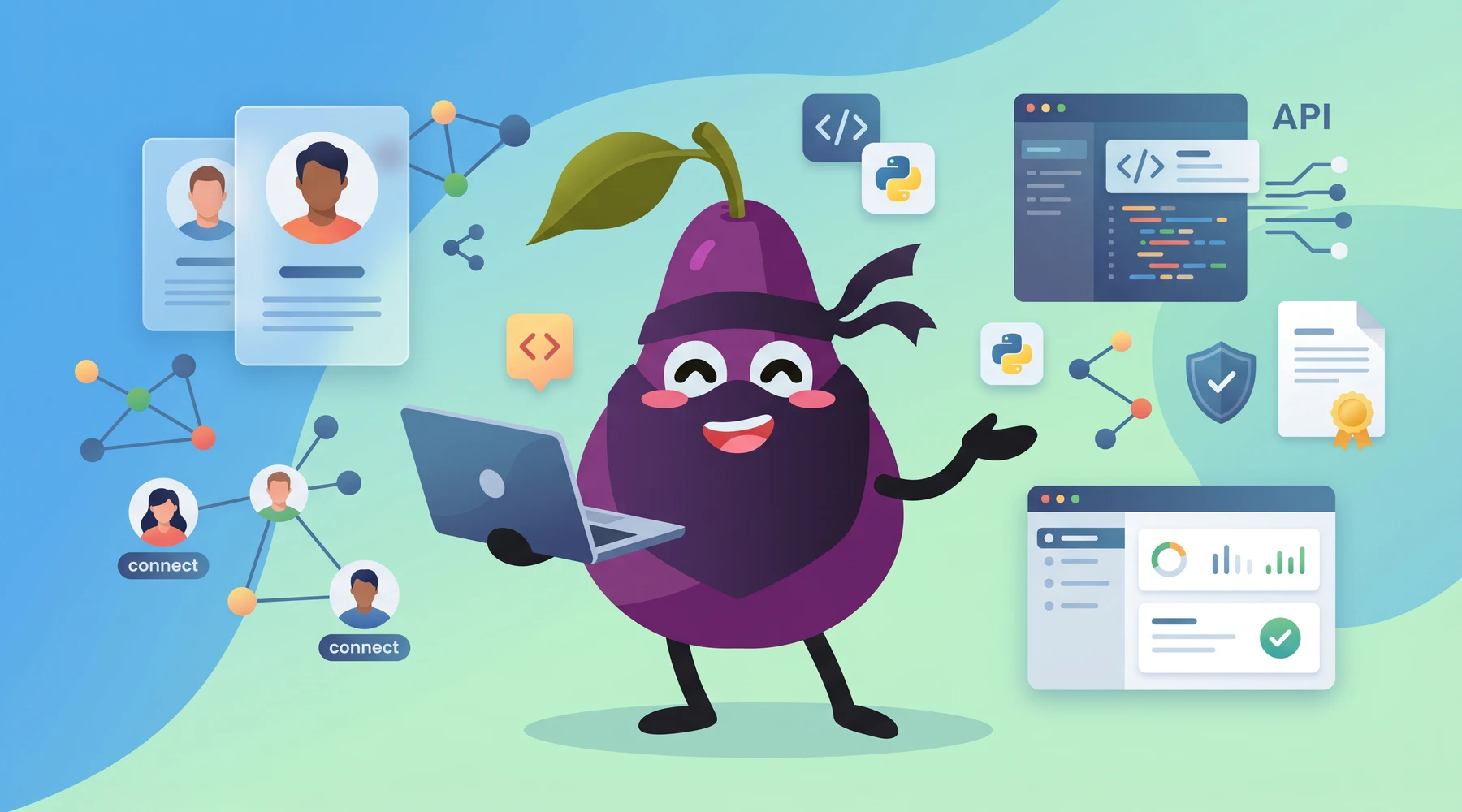
How to scrape LinkedIn public profiles at scale?
I wrote a long article about building your own LinkedIn crawler to scrape 1M profiles.
Update: Proxycurl has since been sunset. I founded Proxycurl, and today I am building NinjaPear instead. If your old use case depended on Proxycurl's enrichment endpoints, the modern replacement is not another LinkedIn scraper. It is NinjaPear, which gives you richer B2B data from public web sources without scraping LinkedIn and without the same legal baggage.
Alternatively, Proxycurl used to provide an Enrichment API for developers to get public LinkedIn profile data back in a structured data format.
Today, if what you actually need is structured B2B data in a similar shape, NinjaPear is the better path:
- The Employee API gives you person profile data from public sources.
- The Company API gives you company details, employee count, updates, funding, and logos.
- The Work Email Lookup endpoint helps you go from a name + company to a verified work email.
Better data, none of the LinkedIn scraping liability.
Want to hear more stories?
If you like reading anecdotes on how we solve business problems with data tools, keep an eye on the NinjaPear blog. That is where I now share what we are building and what I have learned the hard way.